Achieving Financial Freedom: The 50/30/20 Budgeting Rule Explained
Unlock financial freedom with the 50/30/20 budgeting rule. Discover how to allocate your income wisely and take control of your finances.
💰 Understanding the 50/30/20 Rule
Achieving financial freedom is a goal for many, but the path can often feel overwhelming. The 50/30/20 budgeting rule offers a straightforward approach to managing your finances and prioritizing your spending. This method divides your after-tax income into three categories: needs, wants, and savings/debt repayment. Let's delve deeper into how you can effectively implement this rule to pave your way to financial independence.
📊 The Breakdown: Needs, Wants, and Savings
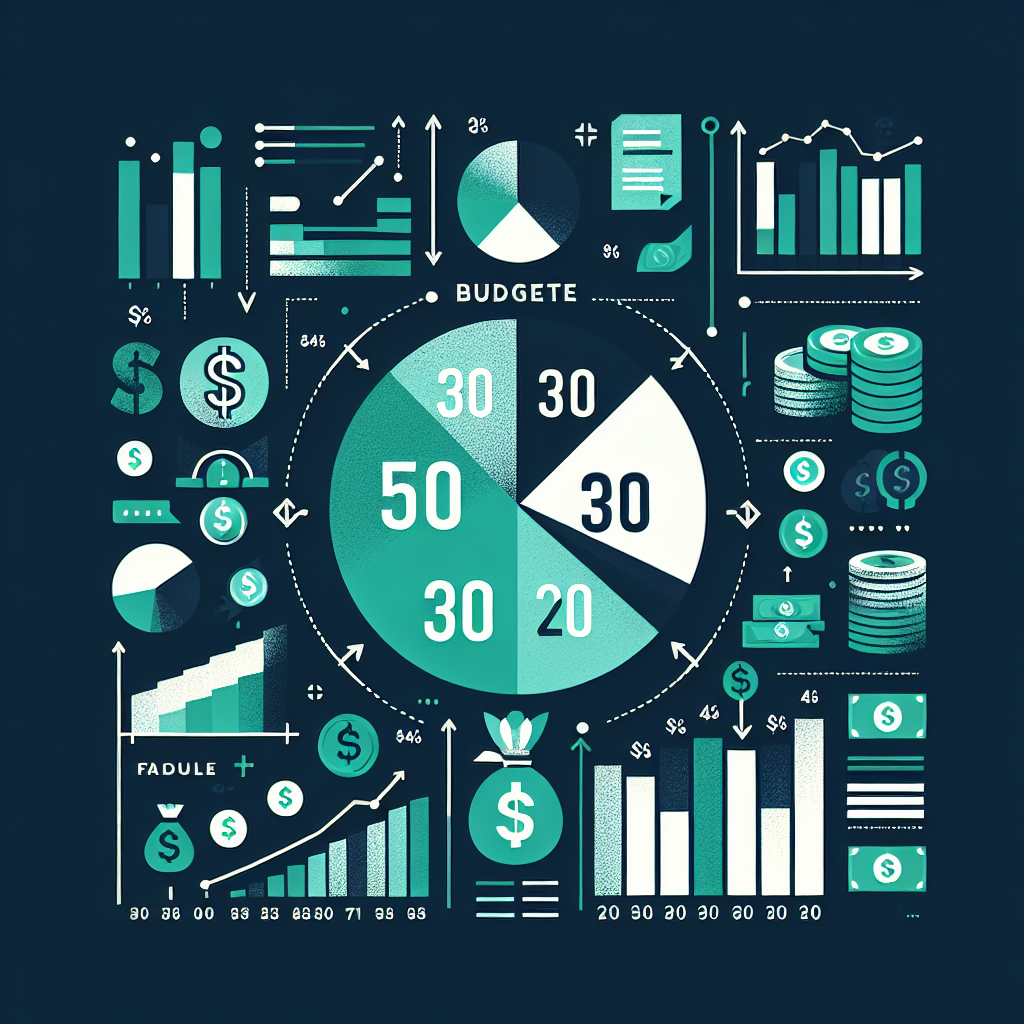
The 50/30/20 rule divides your budget into:
- 50% for Needs: Essential expenses that you cannot live without. This includes housing, utilities, groceries, insurance, and healthcare.
- 30% for Wants: Non-essential items that improve your quality of life but are not necessary for survival. This can include dining out, vacations, entertainment, and luxury items.
- 20% for Savings and Debt Repayment: This portion is dedicated to building your savings or paying off debts, including retirement funds, emergency funds, and loan repayments.
🎯 Why the 50/30/20 Rule Works
The beauty of the 50/30/20 rule lies in its simplicity. Here are some compelling reasons to consider using this method:
- Easy to Understand: Dividing your budget into three clear categories makes it easier to track your finances.
- Promotes Balance: By allocating funds to both needs and wants, you can enjoy your life while still prioritizing savings.
- Adaptable: You can adjust the percentages based on your lifestyle or financial goals, allowing for flexibility.
According to a 2023 survey by the Federal Reserve, 40% of Americans struggle to cover an unexpected $400 expense. The 50/30/20 rule can help prevent this by ensuring you have funds allocated for savings.
💡 Implementing the 50/30/20 Rule
Getting started with the 50/30/20 rule is straightforward. Here’s how to implement it in your financial life:
- Track Your Income: Determine your total monthly income after taxes.
- Categorize Your Expenses: List all your monthly expenses and classify them into needs, wants, and savings/debt repayment.
- Adjust Your Budget: If your spending in one category exceeds its limit, evaluate your budget and make necessary adjustments.
- Use MoneyStyle Tools: Tools like MoneyStyle's expense tracking and budgeting features can help you monitor your spending and ensure adherence to the 50/30/20 rule.
⚠️ Common Pitfalls to Avoid
While the 50/30/20 rule is a great framework, it's essential to be aware of common mistakes that could derail your budgeting efforts:
- Overlooking Variable Expenses: Make sure to account for variable expenses like groceries and entertainment, which may fluctuate month-to-month.
- Ignoring Savings: It's easy to decrease the savings percentage when expenses are tight, but this should be a priority.
- Underestimating Needs: Ensure your needs are fully covered before allocating money to wants.
📈 Adjusting for Your Financial Goals
The 50/30/20 rule is not a one-size-fits-all solution. Here are some suggestions to tweak the percentages based on your personal goals:
- High Debt: If you're paying down significant debt, consider adjusting your budget to allocate 30% or more towards savings/debt repayment.
- Goal-Oriented: If you're saving for a specific goal like a home or a big purchase, increase your savings percentage temporarily.
- Lifestyle Changes: If you're transitioning to a new career or undergoing major life changes, reassess how your budget aligns with your current situation.
🏠 Conclusion: Take Control of Your Financial Future
Implementing the 50/30/20 rule can set you on the path to financial freedom. By effectively managing your income and prioritizing savings, you can not only cover your needs and enjoy your wants but also secure your financial future.
Remember, financial freedom is a journey, and tools like MoneyStyle can help you stay on track. Take advantage of features like budget planning and household sharing to make managing your finances easier.
🎉 Final Thoughts
As you embark on this budgeting journey, remember that flexibility is key. With regular reviews of your financial situation, you can adjust your budget to meet your evolving needs and goals. Start today and embrace the journey to financial freedom with the 50/30/20 rule!
💬 Frequently Asked Questions
#### What if my expenses don’t fit the 50/30/20 rule?
It's okay! Adjust the percentages to better fit your financial situation while maintaining a balance between needs, wants, and savings.
#### How can I track my expenses effectively?
Using tools like MoneyStyle can simplify tracking and categorizing your expenses, making it easier to stick to your budget.